Posts

Showing posts with the label jurassic era

Ancient Seas #7

Image
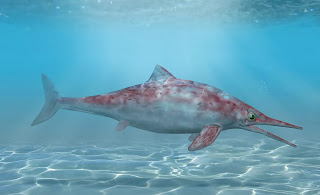
Ancient Seas Ichthyosaurus Photo from DK Find Out! Kingdom: Animalia Class: Reptilia Conservation Status: Extinct (EX) Era: Late Triassic - Early Jurassic WHAT WAS IT? Discovered in the early 19th century, Ichthyosaurus was a large marine reptile which belongs to the order of Ichythosaurs. From the early Triassic to late Cretaceous eras, there were at least fifty species of Ichythosaur roaming the ancient seas. It is believed they evolved from a land reptile which returned to the sea - much like with whales and dolphins - and came to look similar over the years through convergent evolution. The Ichthyosaurus is the type genus of the spieces. WHAT DID IT LOOK LIKE? This marine reptile looked rather similar to dolphins, it is believed. They had dorsal fins, flippers, and a large caudal fin. In comparison to the others of the species, Ichthyosaurus was around the average size for the genus - measuring at around 3.3m (10.8ft) - whereas other species foun...
Ancient Seas #4

Image
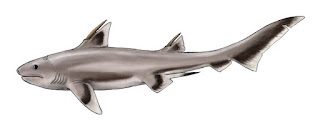
Hybodus Photo from New Dinosaurs Kingdom: Animalia Class: Choridricthyes Conservation Status: Extinct (EX) Found: Worldwide Era: Permian - Cretaceous Lived: 303.4 million - 66 million years ago Diet: Everything. Weight: 90.7kg (200lbs) Size: 2m (6.6ft) Habitat: Shallow seas The Hybodus is an ancient shark species which lived up until 66 million years ago. Unlike most sharks, these species were around for well over 200 million years. This is over ten times the average span of shark species as they are usually around between 10-20 million years. This was a successful shark, living through the Triassic, Jurassic and Cretaceous eras. Considering that it shared waters with plesiosaurs and mosasaurus who were both big predators; this is very impressive. It is not really known why they even went extinct. In appearance, Hybodus are your classic shark. They have the seven fins, the streamline body, the cartilage skeleton... the list goes on. They ...

Ancient Seas #3

Image
Plesiosaurus Photo from Wikipedia Kingdom: Animalia Class: Reptilia Conservation Status: Extinct (EX) (Unless you count Nessie.) Found: Worldwide, number of skeletons found in the UK Era: Jurassic Lived: 135 million years ago Diet: Piscivore/Carnivore Weight: 450kg (992lbs) Size: 3.5m (11ft) Habitat: Ocean The plesiosaurus is an icon marine dinosaur, as it is often how we depict the Loch Ness Monster. It has a long slender body, small head and wide flippers on its side. The term plesiosaur covers all dinosaurs with this combination of features, and they are closely related to pliosaurs (which is the dinosaur I was initially researching and getting confused about the spelling of, you can see how.) This dinosaur was discovered in 1823 by Mary Anning, a Victorian woman who collected fossils on British beaches. She is a fascinating woman who discovered a number of different dinosaur species and what a bezoar stone was. Fossilised poop if you are ...