Posts

Showing posts with the label nautilus

Marine Creature of the Month: Best of 2019
Image
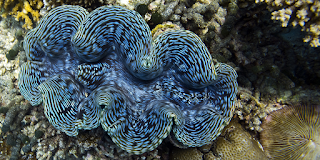
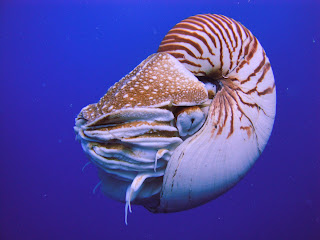
December is a time to look back and reflect on the year. So, I am taking the opportunity to look back on all the critters featured on #MCotM this year! February: Giant Clam They live in the Indo-Pacific Ocean, found in tropical waters and reefs like the Great Barrier Reef. They like warm waters, no deeper than 20m (66ft), so it is nice and light for them. This is because they have a symbiotic relationship with algae, who rely on photosynthesis for food. Giant clams are the biggest species of clam, growing up to 120cm (47") and weighing up to 200kg (440lbs). It is believed they can live up to 100 years. They are, unfortunately, being hunted to extinction by humans - for profit and food. It is the only species of clam which cannot completely close its shell. March: Nautilus The nautilus is a type of cephalopod, which is the same family as squid and octopus. They have been around since there were dinosaurs on the planet, making them something of a ...
Marine Creature of the Month MARCH '19

Image
Marine Creature of the Month Nautilus Photo from Wikipedia Kingdom: Animalia Class: Cephalopoda Conservation Status: Vulnverable (VU) WHAT ARE THEY? Other than a great crochet project ? They are a type of cephalopod, the same class as octopuses and squids. Unlike octopuses which are known for their intelligence, Nautiluses have particularly poor memories. There are six species of nautilus and they have been around since the Triassic period, as in when there were dinosaurs about. Because of this, they are regarded as living fossils.  These creatures are shelled and have chambers within their shells. When born, they have four chambers but can end up with as many as thirty as an adult. These chambers contain a mixture of gas and sea water, and the nautilus uses these to control their bouyancy. When they want to be less bouyant, they create a chemical mixture in their chambers which pulls more water in, via osmosis. Ultimately this makes them denser than b...