A genre I have recently got into is steampunk. It is as epic as it sounds. Jazzy music with a modern twist, with an electic mix of genres and styles. My go-to playlist is Steampunk Radio on Spotify, there are ome absolute bangers on there. So, I thought I'd share my favourites. Fighting Trousers - Professor Elemental Steampunk seems to go from electro swing all the way to gentlemen rap - which I did not even know was a thing until I heard Fighting Trousers. It is delightfully absurd and I want a pair of my own fighting trousers. They better be comfy. Tangled Up (Lokee Remix) - Caro Emerald Caro Emerald is a spicy lady. She has a great voice for the jazzy style she sings. Tangled Up is great for its beat, but is elevated by the line " Treating girls like a yo-yo is a no no of monumental kind". Monumental ... yo-yo ... no no , all awesome words to include in a song. But they are all in the same line! So cool. Booty Swing - Parov Stelar I couldn't make a list based o...
It occurs to me that I should be thinking about Christmas... But I don't have the brain for it, so it can be Not Christmas for just a little bit longer. So have a Top Five! Final Friday Top Five Disney Sidekicks From Movies In/On/Around Water Yes, that specific. Do you know how few Disney films are based around water? So some real liberties have been taken. Starting with... 5. Ray (The Princess & The Frog) Picture from Disney Wiki Bear with me on this one. So he's in The Princess & The Frog , which has an actual water-y sidekick - Louis the Alligator. But Ray lives in the Bayou which is a swampy habitat. While I like the trumpet playing gator, I like Ray better. He is voiced by Jim Cummings , who voices everyone! From Scar's singing voice to modern Winnie the Pooh, if the film is animated this guy is likely to be in it. Plus, he sings My Belle Evangeline which is not only beautiful but the song my sister walked down the aisle to. It ma...
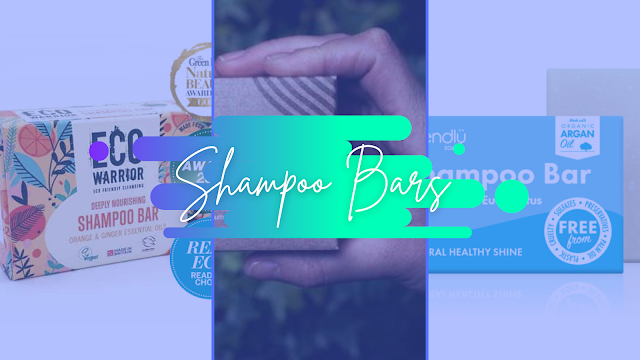
We all know I am a fan of the shampoo bar. They last longer than their bottled counterpart, they have less waste, and they are an all round easy swap to make. For the past however long I have been buying the same bar from Amazon every few months when I run out. Of course, buying from Amazon is its own can of ethical worms so I figured it was high time to branch out and try something new. I have tried three different shampoo bars in recent months and here is what I thought of them. The first bar I tried was from The Little Soap Company and their Eco Warrior Soap Range . Being a fan of all things citrusy and spicey, I opted for the Ginger and Orange bar. Price: £4.50 Pros Lucious smell Cardboard packaging - no plastic! Vegan, cruelty-free, and all those amazing things Left my hair feeling soft and amazing Cons Most expensive option of the three Awkward to lather because it is rectangular Available in bulk-buy options, but where would I keep them?! I went in w...



Comments
Post a Comment